

Newly Diagnosed With Glaucoma? Here's What to Expect Next
Just diagnosed with glaucoma? What comes next? In this month’s blog, we share what happens next, including how we establish your baseline and what treatments you might explore.
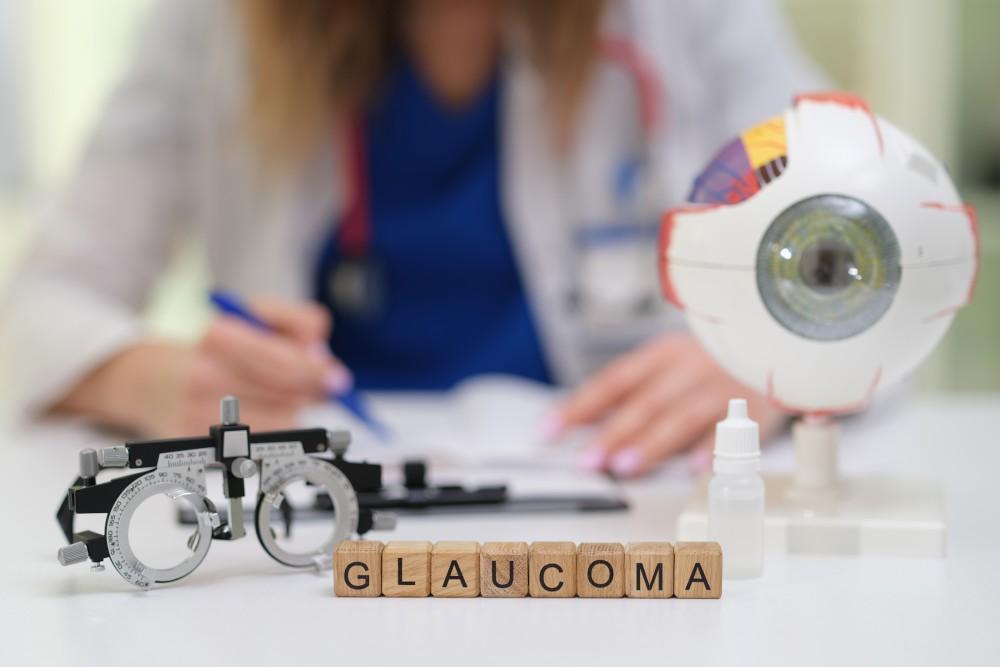
Your vision can feel perfectly normal while an eye disease wreaks havoc. That’s what makes glaucoma and diabetic retinopathy problematic. Both conditions can progress even before you notice significant changes in your sight.
If you’ve recently learned you have glaucoma, take a moment as our team explains what happens after you receive a glaucoma diagnosis.
At Bainbridge Eye Care in the Bronx, New York, Dr. Nicanor Lacsina and Dr. Yelena Pinkhasova help people detect, monitor, and manage eye diseases before they steal more of their sight.
Glaucoma is actually a group of eye diseases that damage the optic nerve, which carries visual information from your eye to your brain.
In many cases, high pressure inside your eye, called intraocular pressure (IOP), contributes to this damage.
Your eye continuously produces a clear fluid called aqueous humor. Normally, that fluid drains out from your eye as new fluid is produced. It functions much like a sink with the faucet running and the drain open.
If fluid doesn’t drain efficiently, however, pressure can rise inside your eye. When that happens, elevated pressure can damage your optic nerve.
However, glaucoma isn’t quite as simple as high pressure equals glaucoma. Some people have elevated eye pressure without optic nerve damage, while others develop normal-tension glaucoma, in which optic nerve damage occurs despite eye pressure measurements within the typical range.
Because glaucoma damage is generally irreversible, treatment focuses on protecting your optic nerve from additional damage.
Your treatment may include:
Glaucoma requires ongoing monitoring. Dr. Nicanor Lacsina and Dr. Yelena Pinkhasova can track changes in your eye pressure, optic nerve, and vision using tests such as visual field testing and optical coherence tomography (OCT). Comparing results from one visit to the next helps us determine whether your treatment is working or needs adjusting.
Diabetic retinopathy affects a different part of your eye but poses another serious threat to vision. Your retina is the light-sensitive tissue lining the back of your eye. It contains tiny blood vessels that chronically elevated blood sugar can damage.
In the earlier stage, known as nonproliferative diabetic retinopathy, weakened retinal blood vessels may leak fluid or blood.
As the disease advances, your retina may respond to poor circulation by growing abnormal new blood vessels. This phase is called proliferative diabetic retinopathy. Unfortunately, these new vessels are fragile. They can bleed into the eye, causing scar tissue and other complications (like macular edema) that threaten your sight.
Managing diabetic retinopathy starts with something that may not seem directly related to your eyes: managing your diabetes.
That said, good diabetes management doesn’t eliminate the need for eye care.
Regular dilated eye examinations let us look directly at your retina for changes you may not notice. Depending on our findings, we may also use retinal imaging or OCT to evaluate and monitor the retina more closely.
If diabetic retinopathy progresses, treatment may include medications injected into the eye, laser treatment, or surgery.
You can’t control every risk factor for eye disease, but you can safeguard your sight if you:
An eye exam does much more than determine whether you need new glasses. Depending on your individual risks, our team can evaluate your eye pressure, optic nerves, retina, and visual fields.
Glaucoma eye drops only work when you use them as prescribed. If cost, side effects, difficulty administering drops, or remembering doses is making treatment difficult, let us know. Don’t simply stop using your medication without discussing it with your eye doctor.
Your eyes don’t exist separately from the rest of your body. Managing blood sugar, blood pressure, and cholesterol is non-negotiable to protect the small blood vessels throughout your body, including those in your retina for people with diabetes.
Eye disease management isn’t a one-and-done visit. Repeated testing allows us to compare your results over time. A single measurement tells us what’s happening today, and a series of measurements helps us see the direction your eye health is moving.
You don’t need to wait until your eyesight changes to start protecting it. With more than 20 years of serving the Bronx, our team prioritizes preventive and ongoing eye care. Dr. Lacsina and Dr. Pinkhasova can evaluate your individual risk, look for early signs of glaucoma and diabetic eye disease, and help you manage existing conditions.
To schedule an exam, request an appointment, or call us at 718-306-9127 today.


